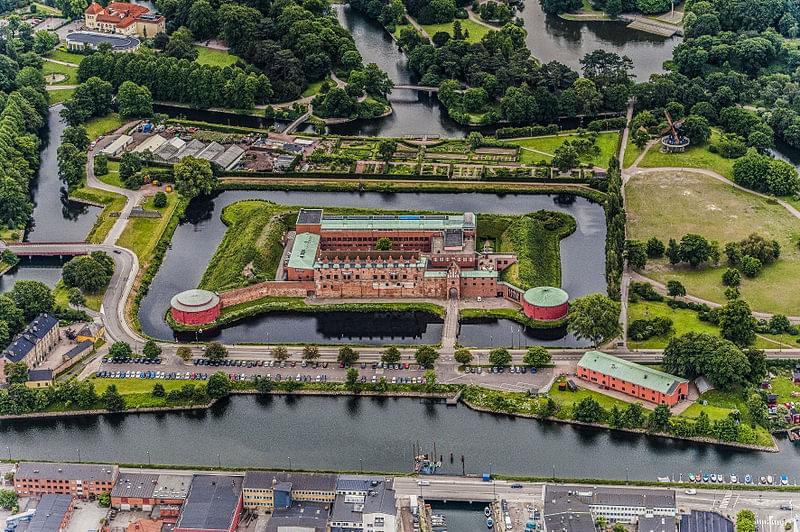
Capital of Uruguay, Montevideo is a fascinating urban oasis where city life is influenced by the slow pace of the countryside. Here are our tips for getting to know its more authentic side, between music, cuisine and history.
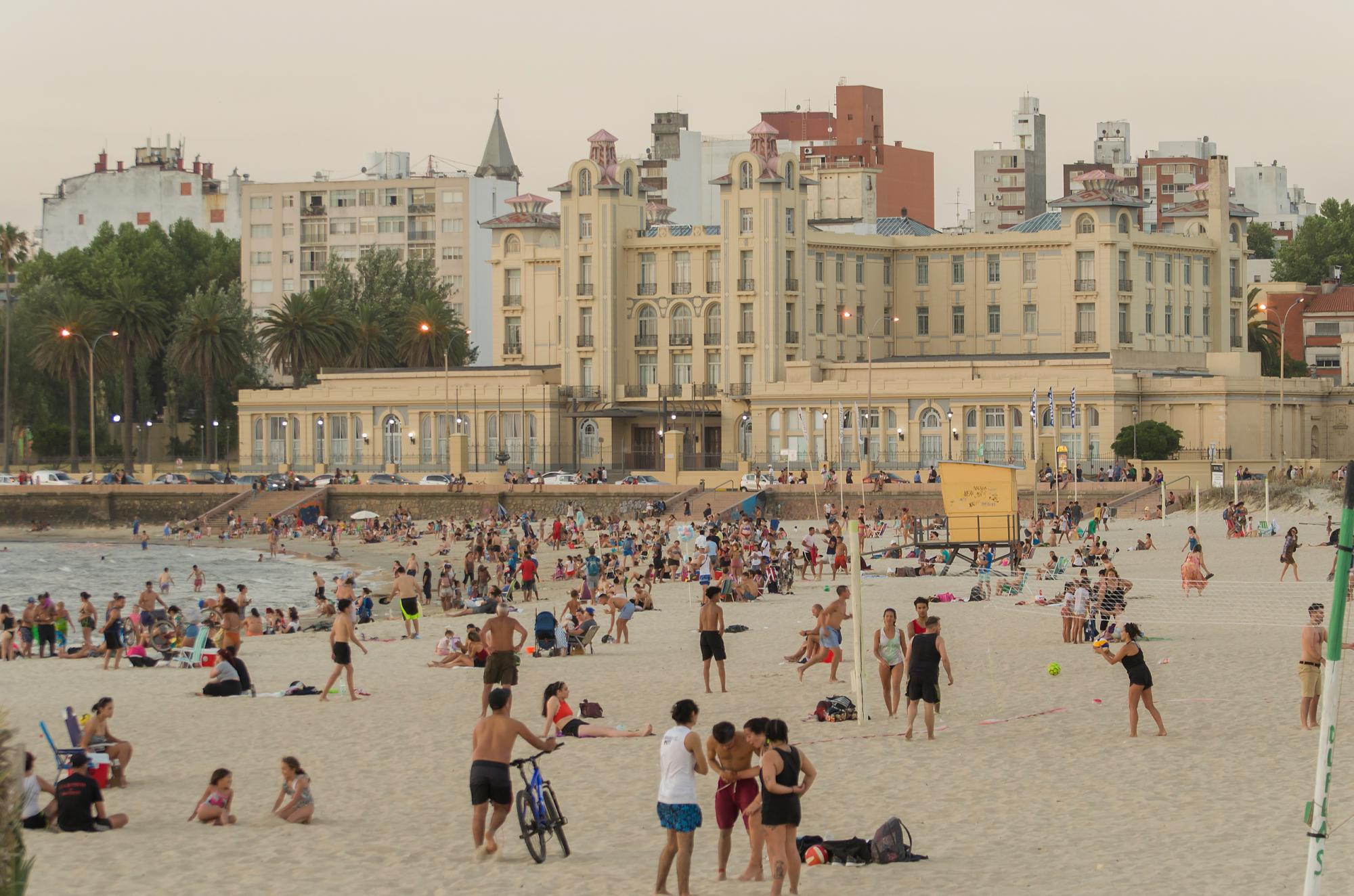
Montevideo is a charming capital, where the rhythms are relaxed © ThiagoSantos / Shutterstock
Once a fortified citadel, the Ciudad Vieja (old town) still has the remains of the ancient city walls, erected in 1741. In addition to exploring the historic core, travellers can walk the world's longest continuous pedestrian walkway, relax on the beach, visit countless museums or soak up the year-round carnival atmosphere. Here's a local's guide to the best things to see and do in Montevideo, Uruguay.
1. Enjoy the sun and surf on the beaches of Montevideo
Montevideo is surrounded by the wide Río de la Plata, and the most popular city beach is Playa de Los Pocitos, with its beach volleyball courts and waterfront buildings in the Pocitos neighbourhood providing the backdrop. In the summer months, the sand is almost invisible under the expanses of umbrellas planted to protect against the high UV rays in Uruguay (the index often reaches 11).
Local tip: the beaches are small and very crowded at weekends, plan your beach day on weekdays.
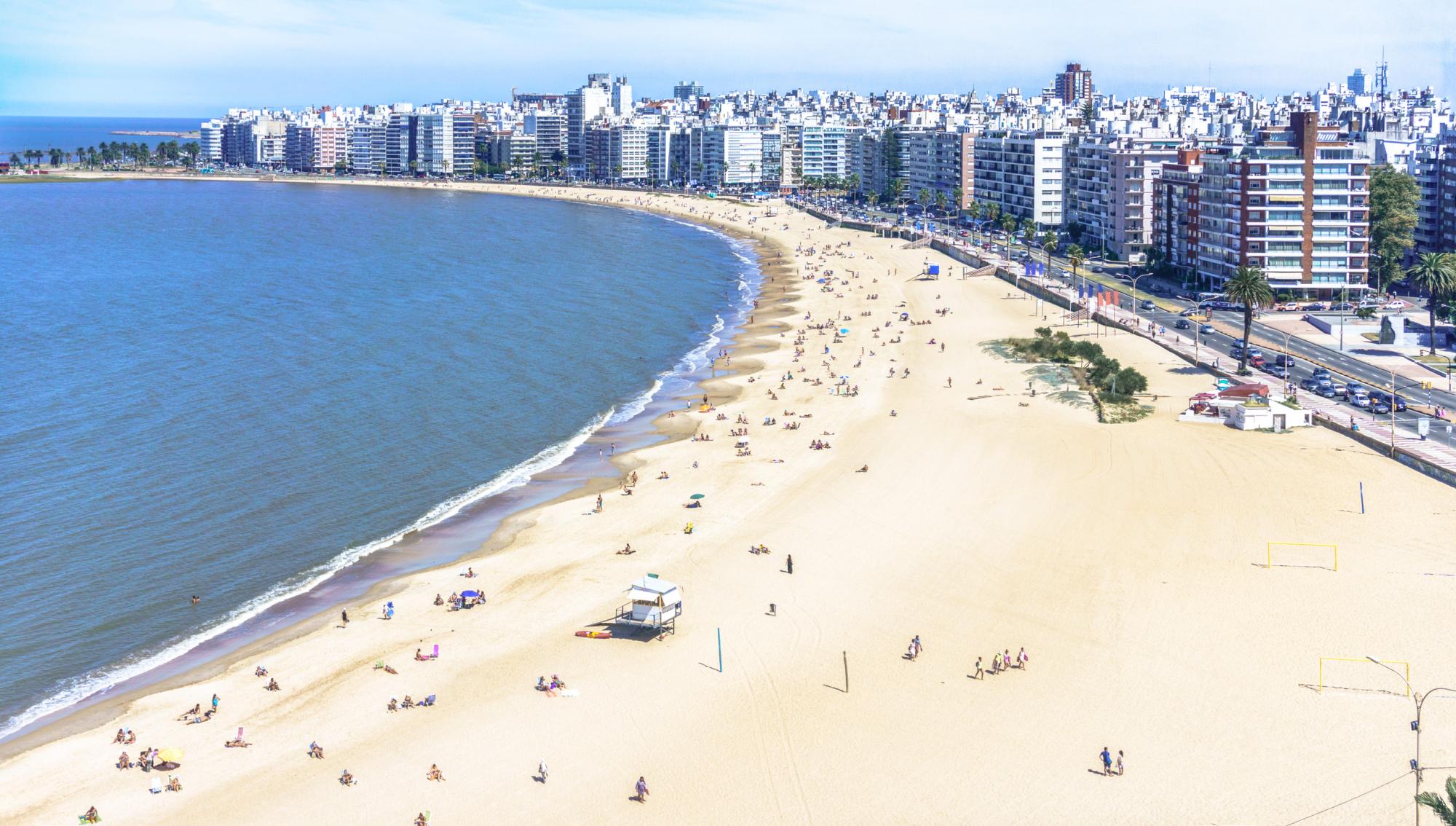
Playa de Los Pocitos, Montevideo©ElOjoTorpe/Getty Images
2. Visit the Museo de la Memoria
The most important museum to visit in Montevideo is the Museo de la Memoria, opened in 2007. Located about 3 km from Prado Park, the museum recounts and contextualises the military dictatorship that oppressed Uruguay for 12 years. It was created to remember the 200 Uruguayans who disappeared during the tyranny, the desaparecidos. A permanent exhibition displays the pots and pans used by people in demonstrations to denounce the murders of civilians perpetrated by the state. In a protest known as cacerolazo, citizens banged these simple kitchen utensils out of their windows, spreading a deafening noise throughout the city.
3. Try the best restaurants in Montevideo for carne asada
Uruguay is known the world over for its superb pasture-raised beef. (There are at least three sheep and three cows for every Uruguayan citizen!) At home, Uruguayans gather with friends and family almost once a week for an asado, a spectacular barbecue of different cuts of meat served with vegetables. If you can't grab an invitation from the locals, you can still enjoy a traditional parrilla at García, a popular restaurant that has been serving fine cuts of meat paired with local and international wines since 1967. The elegant dining room is a favourite among Uruguayans to celebrate special occasions.
Local tip: The famous Mercado del Puerto has, alas, lost its charm and is now a tourist trap selling overpriced, overpriced food. Instead, choose Casa Pastora, Mercado Williman and Mercado Ferrando, where there is no shortage of parrilla among the tempting stalls.

Don't miss a chance to taste the rtadizionale parrilla ©Troy Rowe/Lonely Planet
4. Experience Carnival all year round
If you visit Uruguay between the end of January and the beginning of March, you can participate in the longest Carnival in the world: the celebration lasts between 40 and 50 days here. The celebrations are mainly attended by locals, but foreigners are more than welcome. The carnival tradition came to Uruguay via African slaves and it was their descendants who invented the candombe, a large percussion instrument that is tied around the waist and played while walking down the street. Candombe is also a musical genre, the beating heart of Uruguay, which was declared an Intangible Cultural Heritage of Humanity by Unesco in 2009. During carnival, candombe appears in almost every performance. Some groups paint and decorate the drums to match the colourful feathered outfits of the dancers. Kicking off the festivities is the inaugural parade at the end of January, in which the candombe players parade with the dancers along Avenida 18 de Julio. The following evening is usually the turn of the samba schools, where elegant dancers dance in the streets. In February, candombe players take to the runway for the Las Llamadas parade, performing as they walk the streets of the Afro-Uruguayan neighbourhoods of Barrio Sur and Palermo. Between parades, stop at one of the many tablados (stages scattered around the city), where street theatre performances called murga are held, in which actors with painted faces wear clown costumes and combine music, dance and acting.
If your trip does not fall during the festivities, breathe in some of that atmosphere at the Carnaval Museum, where you can watch videos of the performances and admire the costumes and drums. Also, have no fear: candombe musicians practise all year round and, even without the colourful costumes and fanfare, offer a memorable experience. Each district has its own orchestra, which usually rehearses once a week in the streets to prepare for the annual competition. Every Sunday in the late afternoon, the percussionists gather in Barrio Sur to play candombe and everyone is invited to attend. Just follow the addictive rhythms to find them.
Local tip: Always keep an eye on your personal belongings. Pickpockets also frequent these performances unfortunately.

Carnival in Montevideo lasts between 40 and 50 days ©Kobby Dagan
Subscribe to our newsletter! For you every week travel tips, special offers, stories from the world and 30% discount on your first order.
6. Cheer at the Montevideo stadium
The first World Cup was held in Uruguay in 1930 at the Estadio Centenario and the Uruguayans (of course) won the title. Today, the two most important fútbol teams for Montevideo are Peñarol and Nacional. The former, in yellow, play at the Campeón del Siglo stadium, while the latter, with their red, white and blue shirts, at the Gran Parque Central. Choose a team to support and attend a match during the Uruguayan Primera División season, which lasts from May to December. If there is no match during your stay, visit the Museo del Fútbol.
7. Cycling, skating or walking along the Rambla
The Rambla on Montevideo's riverfront is the longest continuous pavement in the world, stretching for almost 23 km. The avenue meanders along the coast and is popular with bicycles and skaters. In Montevideo, one of the most popular habits is drinking yerba maté, a traditional indigenous drink discovered by the Guaraní in Paraguay and popularised by the Charrúa in Uruguay. Many Uruguayans always carry their mate kit, which includes yerba (loose tea leaves), mate (the traditional cup made from a gourd), bombilla (perforated straw shaped like a spoon) and thermos of hot water. Take your mate and sip it while strolling down La Rambla at sunset. You will pass the skatepark, the famous 'Montevideo' sign, the moving memorial for Holocaust victims, the Castillo Pittamiglio and many street musicians.
Local tip: it is customary in Uruguay to share mate with anyone, even strangers. It is not a hygienic custom, so we advise you to buy your own kit, available in any grocery store.
8. Head towards Punta del Este
Once you have visited the capital, take a direct bus from the Tres Cruces terminal to Punta del Este on the Atlantic coast. Attractions and experiences here include relaxing on Playa Brava near the famous sculpture La Mano en la Arena, watching the surfers at Playa el Emir or enjoying the sunset with a pitcher of clericó (white wine sangria) at the Parador I'marangatú.
Local tip: organise a day trip to visit places like Punta Ballena (whales can be spotted from here), the Fundación Pablo Atchugarry and the Arboretum Lussich.
Read also: